













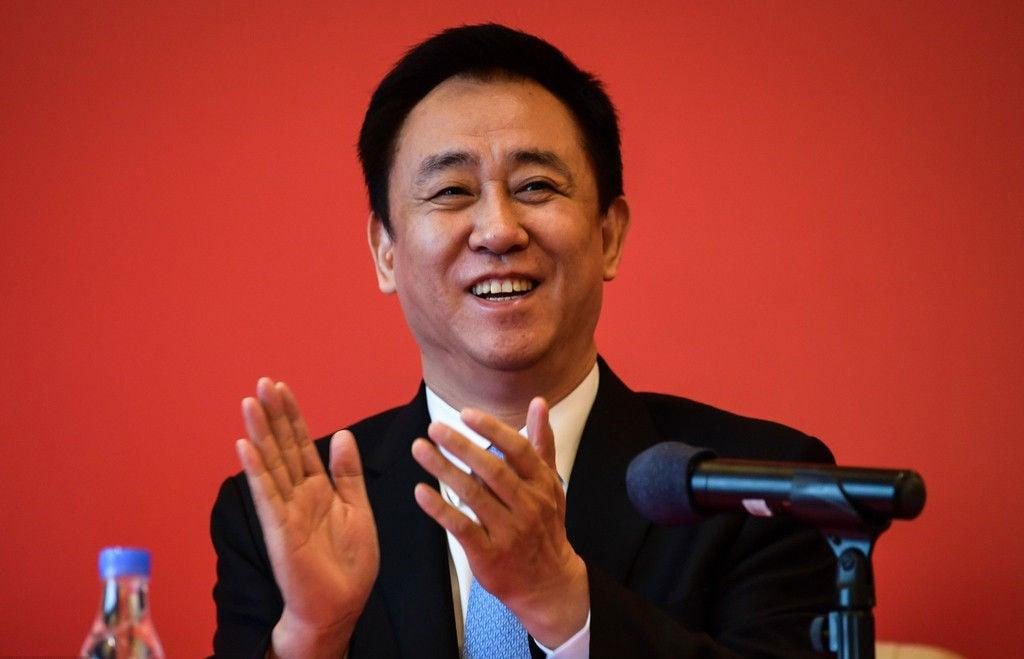
The global business world has been shaken by the latest development involving Hui Ka Yan, the founder of China Evergrande. Once a symbol of wealth, ambition, and rapid growth, Hui has now pleaded guilty to multiple fraud-related charges. This marks a critical turning point in one of the largest corporate collapses in modern history.
The case is not just about one man or one company. It reflects deeper issues within high-growth economies, debt-driven expansion, and the risks associated with unchecked corporate power. As details continue to emerge, the story of Evergrande is becoming a global lesson in financial discipline and accountability.
The Rise of China Evergrande
China Evergrande Group was founded in 1996 by Hui Ka Yan and quickly rose to prominence during China’s real estate boom. The company capitalized on the country’s rapid urbanization, building massive residential projects in cities across China.
For years, Evergrande represented success. It provided housing to millions, created jobs, and contributed significantly to China’s economic growth. The company expanded aggressively, entering various industries such as electric vehicles, tourism, healthcare, and even professional sports.
At its peak, Evergrande was among the largest property developers in the world. Its projects were everywhere, and its influence extended far beyond real estate. Hui Ka Yan himself became one of Asia’s richest individuals, symbolizing the opportunities created by China’s economic expansion.
Debt-Fueled Growth and Warning Signs
Despite its impressive growth, Evergrande’s business model relied heavily on borrowing. The company took on massive loans to finance new projects, often using pre-sales of properties to sustain cash flow. This created a cycle where new debt was required to pay off existing obligations.
Over time, this strategy became unsustainable. By 2021, Evergrande had accumulated more than 300 billion dollars in liabilities. Concerns began to rise among investors, regulators, and financial institutions.
The Chinese government introduced stricter regulations to control excessive borrowing in the real estate sector. These policies limited the ability of companies like Evergrande to take on new debt. As a result, the company began to struggle with liquidity issues.
Missed payments, delayed projects, and declining investor confidence signaled the beginning of the end. What once appeared to be a powerful empire started to crumble under the weight of its own financial structure.
The Collapse and Its Consequences
The downfall of China Evergrande Group was swift and far-reaching. The company defaulted on its debt obligations, triggering panic in financial markets.
Thousands of construction projects were halted, leaving homebuyers uncertain about their investments. Many families who had paid in advance for homes found themselves waiting indefinitely for completion.
The crisis extended beyond homeowners. Banks, suppliers, and investors faced significant losses. The ripple effects were felt across China’s economy and even in international markets.
Real estate plays a crucial role in China’s economic structure, contributing a large portion of the country’s GDP. The Evergrande crisis exposed vulnerabilities in this sector and raised concerns about the stability of other property developers with similar business models.
Fraud Charges and Guilty Plea
At the center of this crisis is Hui Ka Yan, who has now pleaded guilty to multiple charges related to financial misconduct.
The charges include fraudulent fundraising, illegal collection of public deposits, misuse of corporate funds, and involvement in bribery activities. These allegations suggest that the company’s problems were not just due to poor financial management but also involved deliberate wrongdoing.
During court proceedings, Hui reportedly admitted to the charges and expressed remorse. While the final sentence has not yet been announced, legal experts believe the severity of the case could result in a lengthy prison term.
This development marks a significant moment in China’s approach to corporate governance. It demonstrates a willingness to hold even the most powerful business figures accountable for their actions.